

About the IEFCC
The International Executive Function Coaching Certification (IEFCC) exists to advance humane, ethical executive function coaching across education, workplaces, and communities — safeguarding those most at risk and raising standards for everyone. Our mission is to ensure that executive function coaching is delivered to the highest ethical and professional standards, so it can transform education, workplaces, and communities worldwide.
We are an independent certification body, providing impartial assessment and recognition rather than training. Like an examination board, we certify competence while a network of approved training providers delivers the teaching. This separation preserves the integrity, consistency, and credibility of our certification across the globe.
Founded by Michael Delman and Victoria Bagnall, the IEFCC is grounded in 28 Professional Standards that define safe, inclusive, and effective coaching practice. These standards form the benchmark for certification and give clients, organisations, and the wider profession confidence in the quality of service provided by accredited coaches.
What is the IEFCC

Our Mission
To protect people by assuring quality, ethical standards in executive function coaching worldwide — with particular care for those most at risk of harm.
We exist to protect people by setting a global benchmark for executive function coaching, with particular responsibility to safeguard marginalised and neurodivergent communities. Our certification ensures that coaches practise to high professional standards, grounded in evidence, ethics, and inclusion, so that quality personal development support is accessible and safe for everyone.

Our Vision
Our vision is a world where executive function coaching is a recognised and respected profession, transforming education, workplaces, and communities through ethical and inclusive practice. We are dedicated to ensuring that everyone — especially the most marginalised — can trust that executive function coaching is safe, ethical, and of the highest standard.
How we work
The International Executive Function Coaching Certification (IEFCC) is an independent body dedicated solely to assessment and certification. We do not deliver training ourselves. Instead, we partner with a global network of approved training providers who prepare and mentor coaches to meet our standards.
This separation — much like the model used by examination boards — ensures that certification is impartial, consistent, and credible worldwide. Training providers focus on teaching and development, while the IEFCC provides rigorous assessment and recognition of competence.
By working in this way, we maintain the integrity of the certification process and give clients, organisations, and the wider profession confidence that every accredited coach has met the same high standards, regardless of where they trained.
Meet our founders
Our founders established the IEFCC in 2025, driven by a desire to raise standards of executive function coaching globally and offer people seeking executive function coaching confidence that they are accessing high quality, ethical support.

-
Founder & Director of CertificationVictoria is a critically acclaimed trainer, author, and global pioneer in executive function coaching and neuroinclusion. She has trained thousands of teachers, coaches, and professionals worldwide, and through Connections in Mind CIC has established internationally recognised executive function coach training programmes and coaching practices. Victoria has been at the forefront of advancing our understanding of behavioural neuroscience and its practical application in education and the workplace. She is deeply committed to safeguarding the most marginalised and shaping a global movement towards neuroaffirmative practice.

-
Founder & Non Executive Director
Michael is an award-winning educator, a school founder and former school principal, author, and pioneer of executive function coaching in the United States. Founder of Beyond BookSmart, one of the world’s largest executive function coaching organisations, he has spent decades developing evidence-based approaches that empower learners of all ages. Michael brings unparalleled expertise in coaching practice, professional standards, and training design.
A highly respected Board of Advisors
International Executive Function Coaching Certification has been shaped by the advice and insight of some of the most respected voices in executive function coaching and related fields worldwide.
Their experience spans practice, research, education, advocacy, and systems-level work, and their guidance has helped inform standards and governance that are thoughtful, rigorous, and grounded in real-world practice.
Meet our board of advisors
-
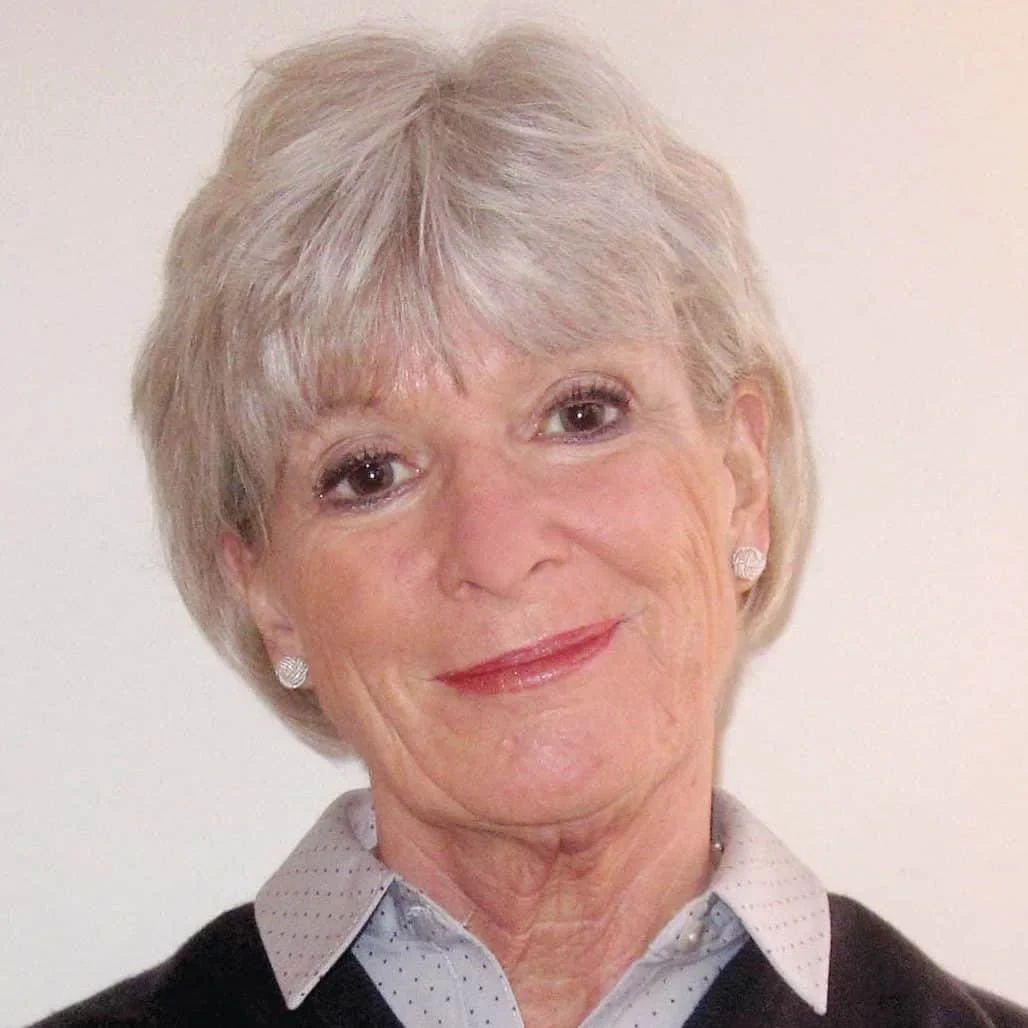
Dr Peg Dawson
ADVISOR
Peg Dawson, Ed.D., NCSP, received her doctorate in school/child clinical psychology from the University of Virginia. She worked as a school psychologist in Maine and New Hampshire, and recently retired after 30 years at the Center for Learning and Attention Disorders in Portsmouth, New Hampshire, where she specialized in the assessment of children and adults with learning and attention disorders. Along with her colleague, Dr. Richard Guare, she has authored many books on the topic of executive skills, including books for both parents and professionals. They have also written books on executive skills coaching and have trained hundreds of coaches in the United States and abroad. Dr. Dawson is a past president of both the National Association of School Psychologists and the International School Psychology Association. She is also the 2006 recipient of NASP’s Lifetime Achievement Award and a 2010 recipient of the International School Psychology Association Distinguished Services Award.
-

Moonlake Lee
ADVISOR
Moonlake Lee is the Founder and CEO of Transforming Lives, an independent social enterprise focused on capability development and psychoeducation through a strengths-based lens. She previously founded Unlocking ADHD, a Singapore IPC charity, and continues to care deeply about strengthening support for the ADHD community.
Diagnosed with ADHD at the age of 50 — one year after her daughter received the same diagnosis — Moonlake brings both lived experience and strategic perspective to her work. Her background spans journalism, law, business, and technology law, and includes legal practice in Canada, entrepreneurship, angel investing, and social impact leadership.
Moonlake was a finalist for The Straits Times Singaporean of the Year 2022 in recognition of her contributions to the ADHD community. She is a member of the workgroup developing clinical practice guidelines for adult ADHD in Singapore and is training as an Executive Function Coach.
Her past public education and editorial work includes contributions to mission-aligned publications such as Differently Wired Minds, published by Unlocking ADHD, and Parent First, ADHD Later, published by Transforming Lives.
-
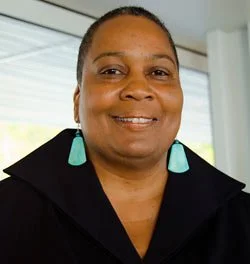
Cara Stanley
ADVISOR
Cara Stanley is a passionate educator, devoted to breaking down individual and systemic barriers to academic achievement. Cara was a lecturer in the African American Studies department at the University of California at Berkeley, where she taught courses on Black student identity, Black feminist thought and Audre Lorde. She also directed the university's Student Learning Center and directed the University's Summer Bridge Program. Cara is the Co-founder of the Veve Clark Institute for Engaged Scholars of African American Studies and founder of the University's SPEAR Middle School Scholar Academy. At the core of each of her endeavors is an unwavering commitment to access and equity.
For thirty-three years, she's worked with students from K-22, charting, engaging and navigating their academic journey. She empowers students by encouraging them to embrace their authentic self, own their intellectual gifts and demand excellence of self. Cara Stanley received her bachelor's degree from the University of California at Berkeley in Ethnic Studies and her Master's from San Francisco State in Interdisciplinary Social Science. A stalwart advocate for public education and academic excellence, she believes in the transformative power of education.
-

Tony Lloyd
ADVISOR
Tony Lloyd is a nationally respected neurodiversity leader, researcher, and advisor, with a career spanning education, public policy, and social justice. Formerly the long-standing Chief Executive of the ADHD Foundation, he played a pivotal role in shaping national understanding of ADHD and neurodiversity through advocacy, policy influence, and cross-sector collaboration. Now a Visiting Professor at Liverpool John Moores University, Tony continues to contribute to national conversations on inclusion, inequality, and systemic change, drawing on both lived experience and decades of leadership to promote dignity, equity, and belonging.
-

Dr Jason Apaloo-Shonibare
ADVISOR
Having trained at the Tavistock and Portman Clinic, Dr Jason Apaloo-Shonibare is now a qualified Child, Community and Educational Psychologist with nearly 20 years of experience across children and youth work, education, and mental health services. In addition to providing professional psychological services, he is also a business Founder and Director, a Clinical Supervisor working with CICs, an Advisory Board Member, and a Guest Lecturer.
His research and current areas of practice focus on how intersectional and community-based approaches can effectively address social justice and advocacy issues for marginalised groups. In line with this, his involvement in the inception of the independent Trainee Educational Psychologists’ Initiative for Cultural Change (TEPICC) and The Black in Psychology and Psychiatry (BiPP) Network has shaped his work and strengthened his commitment to culturally responsive practice, promoting anti-oppressive and anti-racist systemic change.
His intersecting roles as a professional, a father, and a person of Afro-Caribbean heritage inform his relational approach when working with families who are navigating complex systems and relationships. Through his work, he values opportunities to connect, collaborate, and engage in thoughtful and constructive challenge where appropriate.on goes here